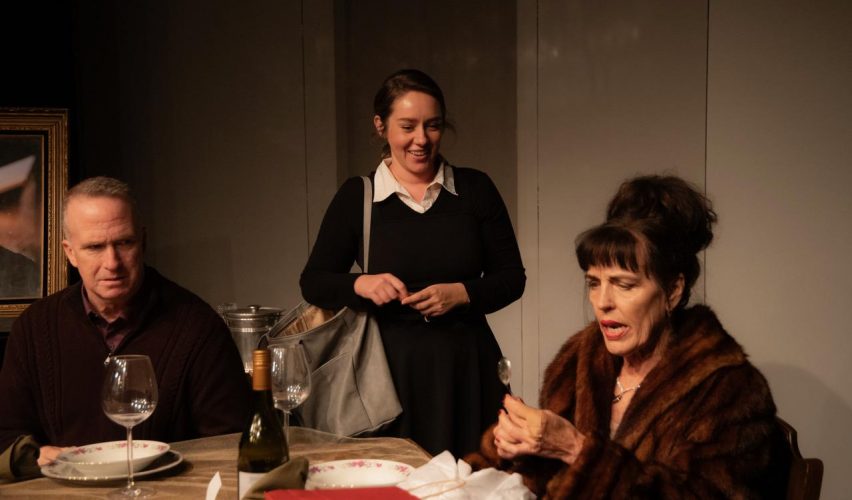
photo credit: Laura Lejuwaan
Written by Diana M. Robles
In today’s all-consuming technological landscape, it may be hard to think back to a time when it all began. Westminster Community Playhouse took on that task with their latest rendition of Sarah Ruhl’s 2007 play, Dead Man’s Cell Phone.
Story:
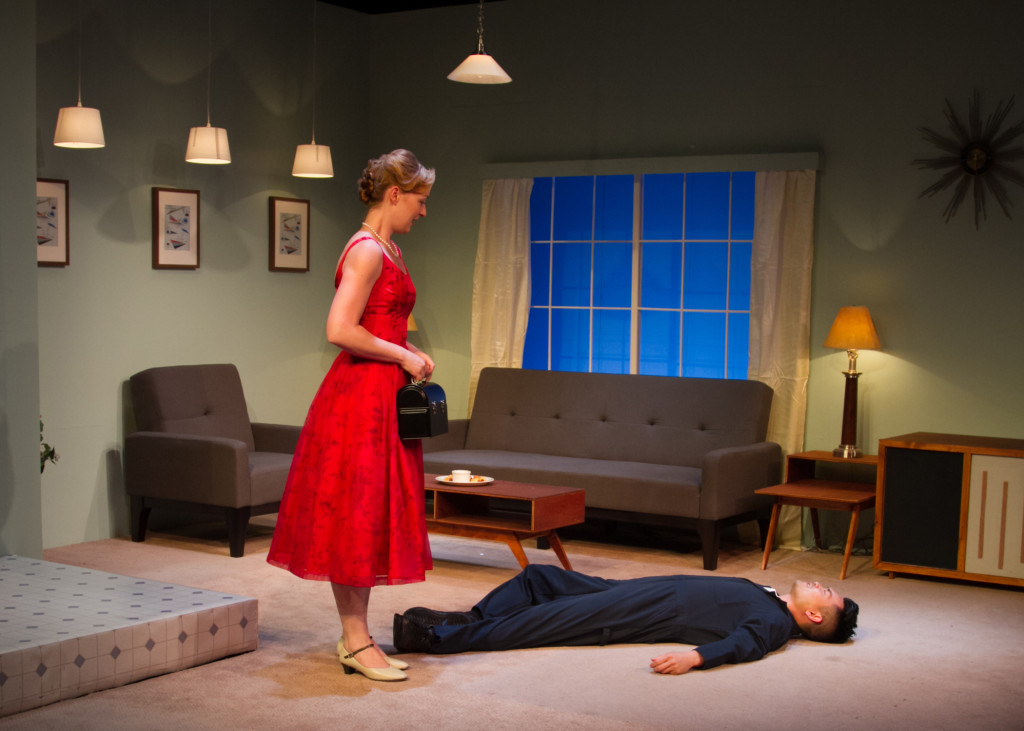
The play follows Jean, a reserved woman, who becomes morally obligated to mourn a man, Gordon, whom she finds dead in a cafe. While Gordon’s life may have ended, his phone line had not. Consequently, Jean places herself in charge of his phone calls after his passing.
From there, Jean becomes immersed in the world that surrounded Gordon while he was alive. She gets personal with his wife, a mistress, his mother, and especially his brother, who all have varying reactions to Gordon’s death. Jean tries to comfort them with white lies about his final remarks and gestures, in a way that likely served her own comfort more than the comfort of anyone who actually knew him.
Through her almost secretarial mourning of a man she never knew, Jean comes into herself and learns to live without reservations in the contradictory digital world that feels both more connected and lonelier than ever.

Despite the play being about death, there’s no riveting factor of thrill, mystery, or tragedy. Instead, Dead Man’s Cell Phone is a sweet and funny story. However, from a 2026 point of view, it’s hard not to cringe at Jean’s obsessive answering of phone calls not meant for her.
Acting:
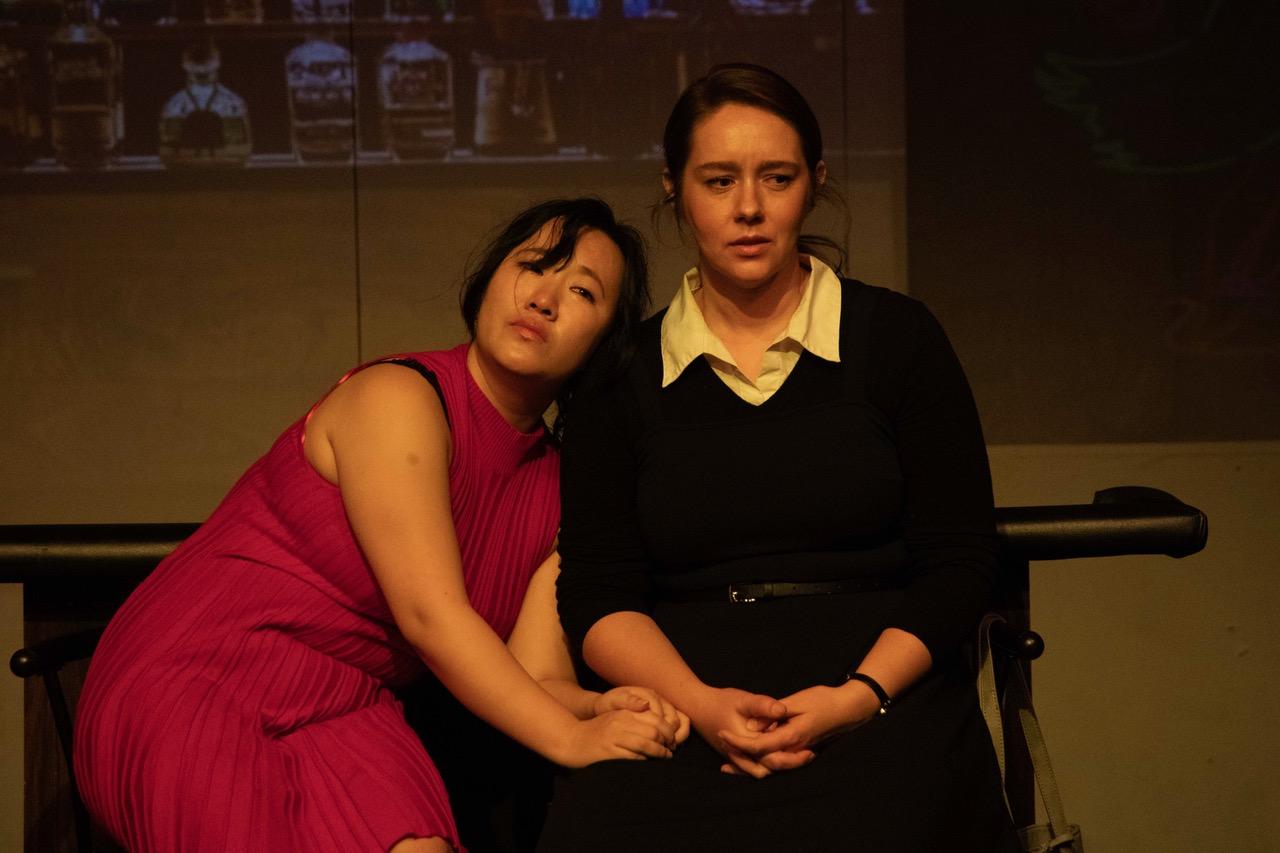
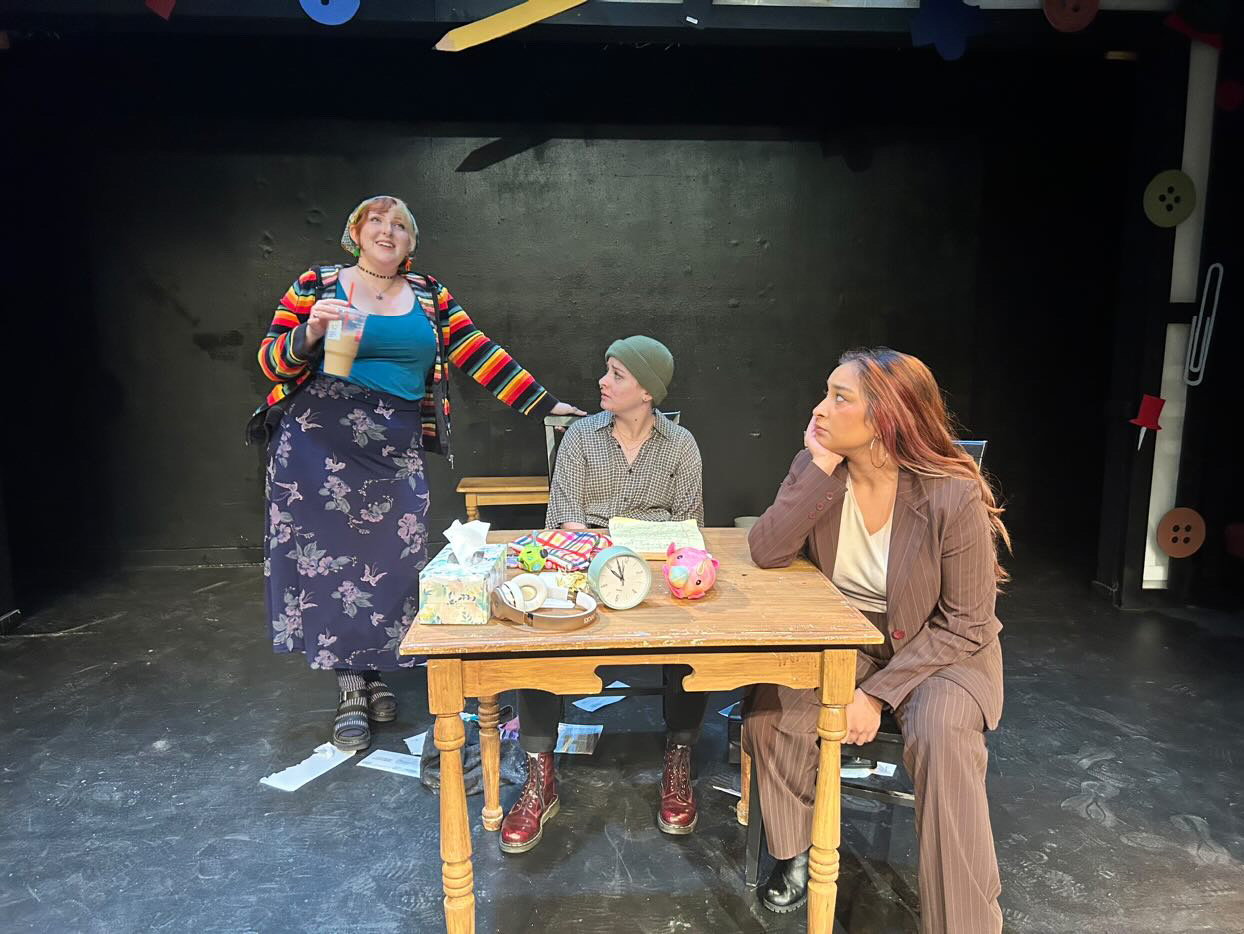
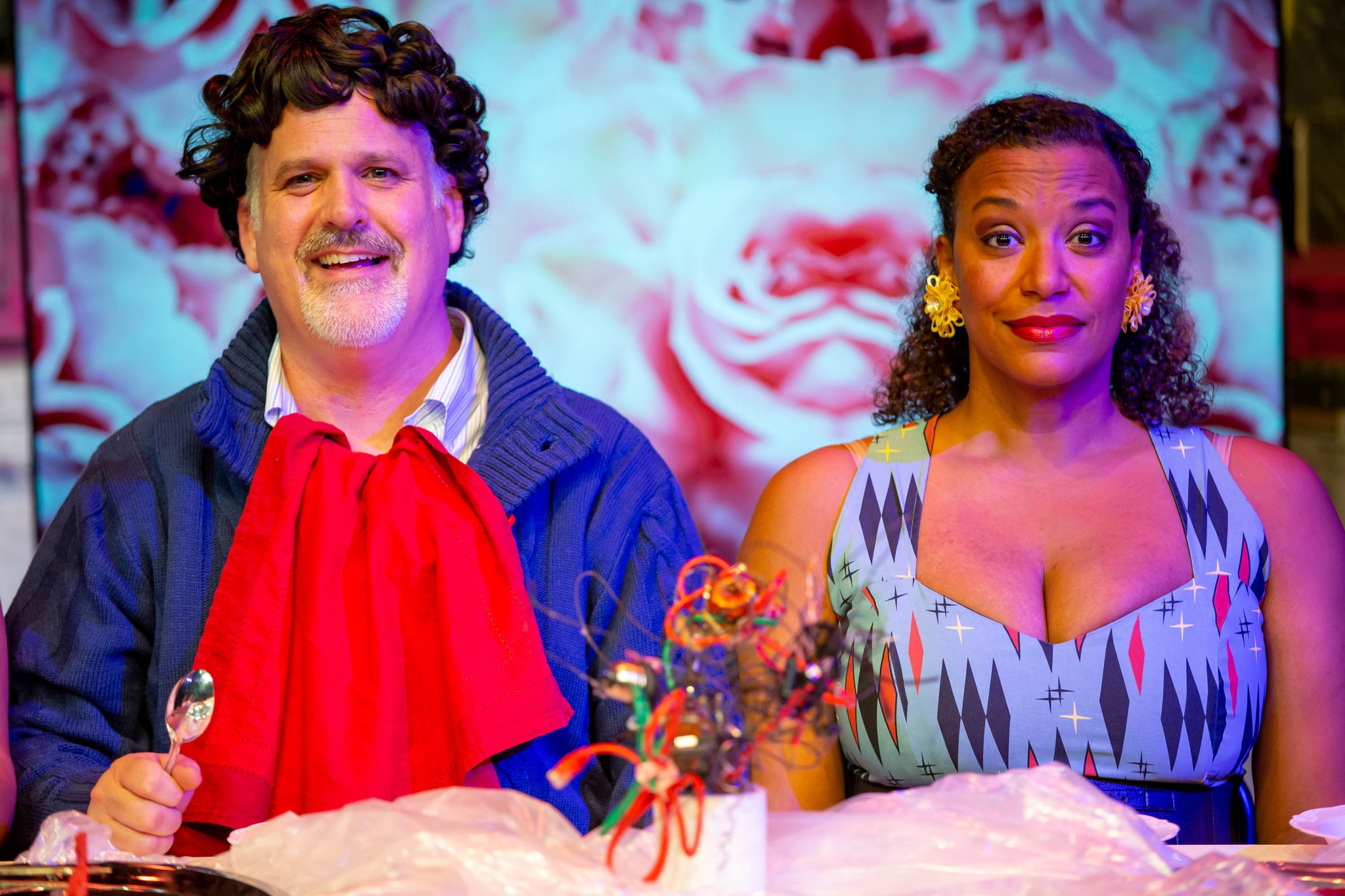
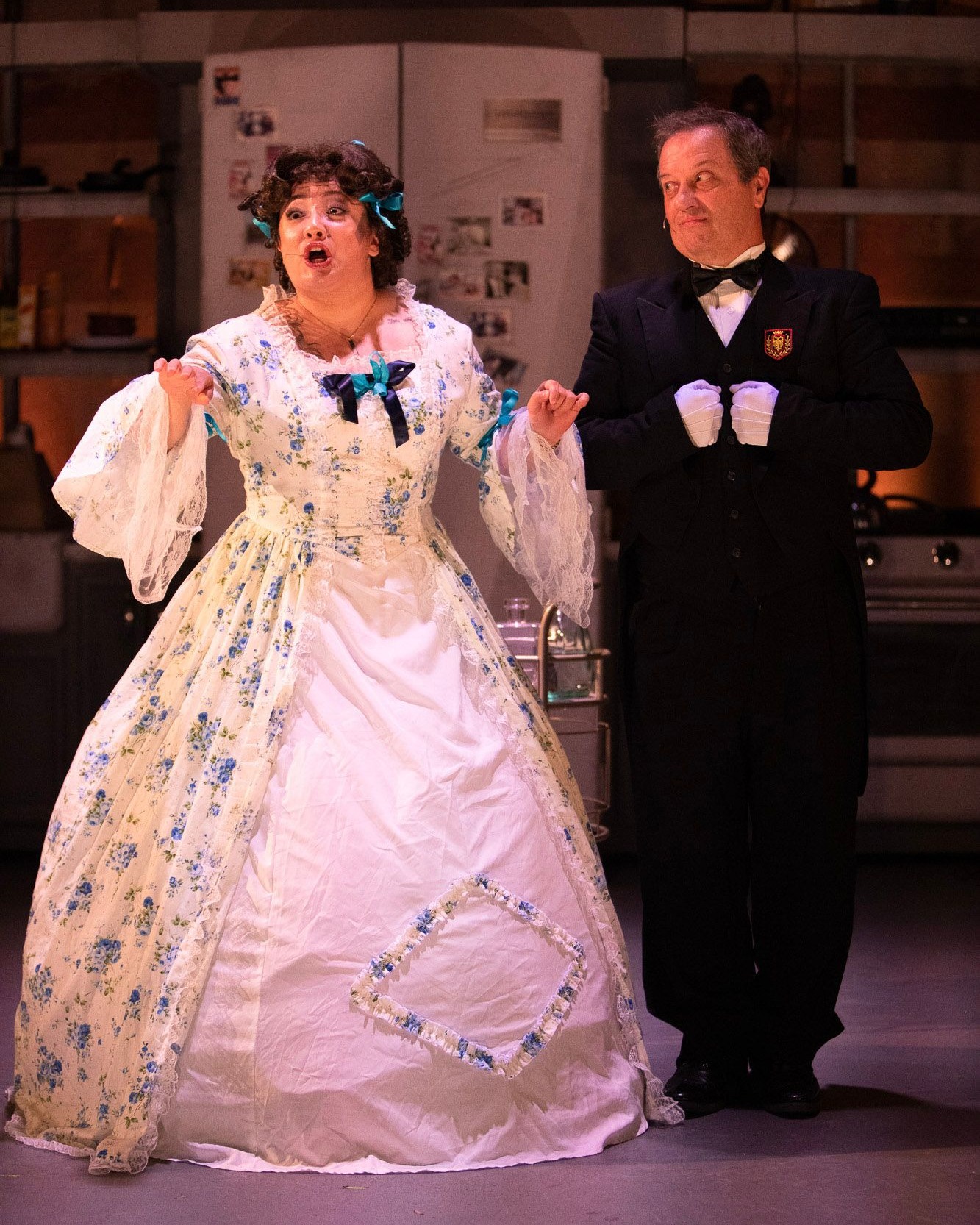
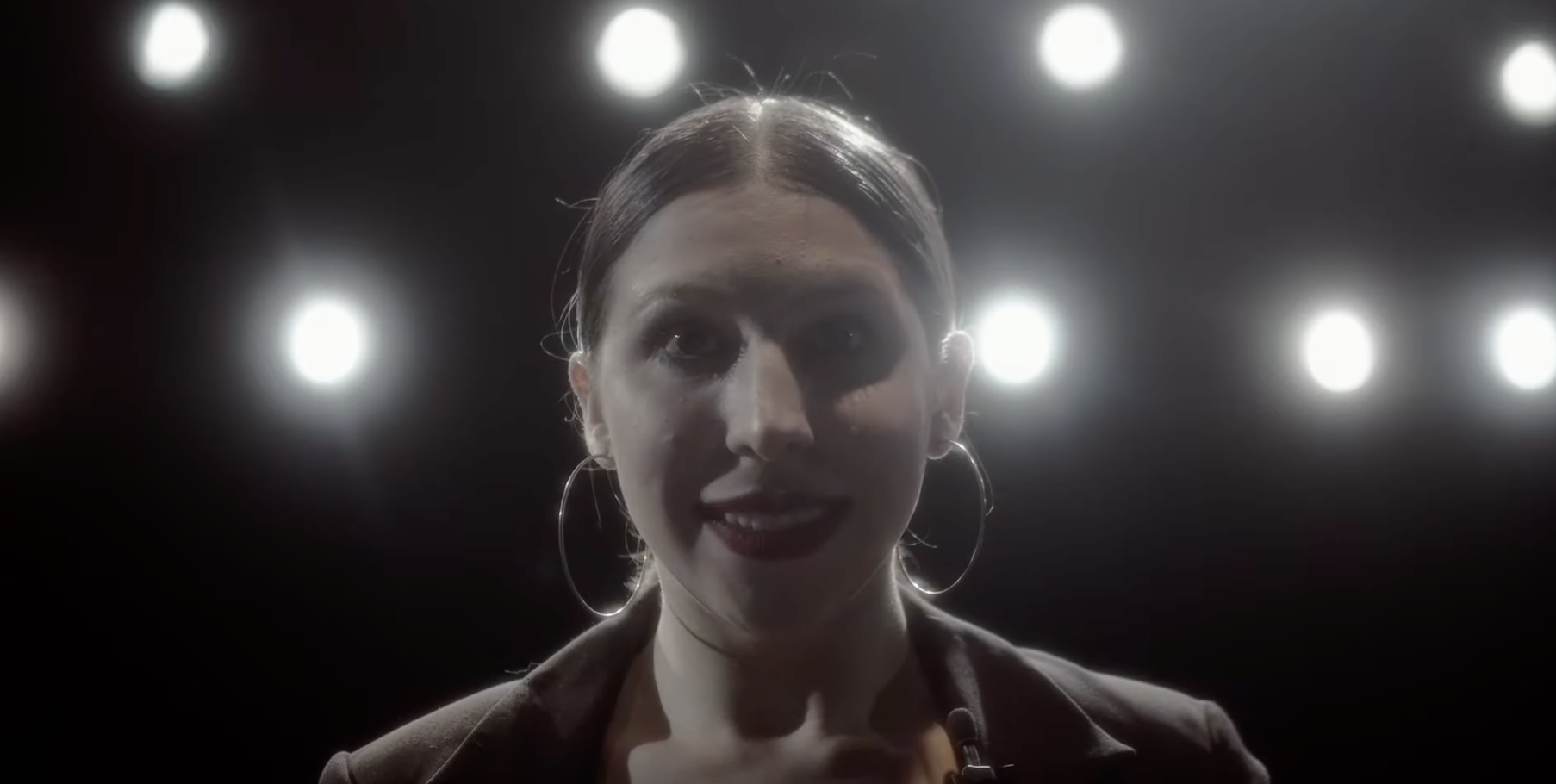
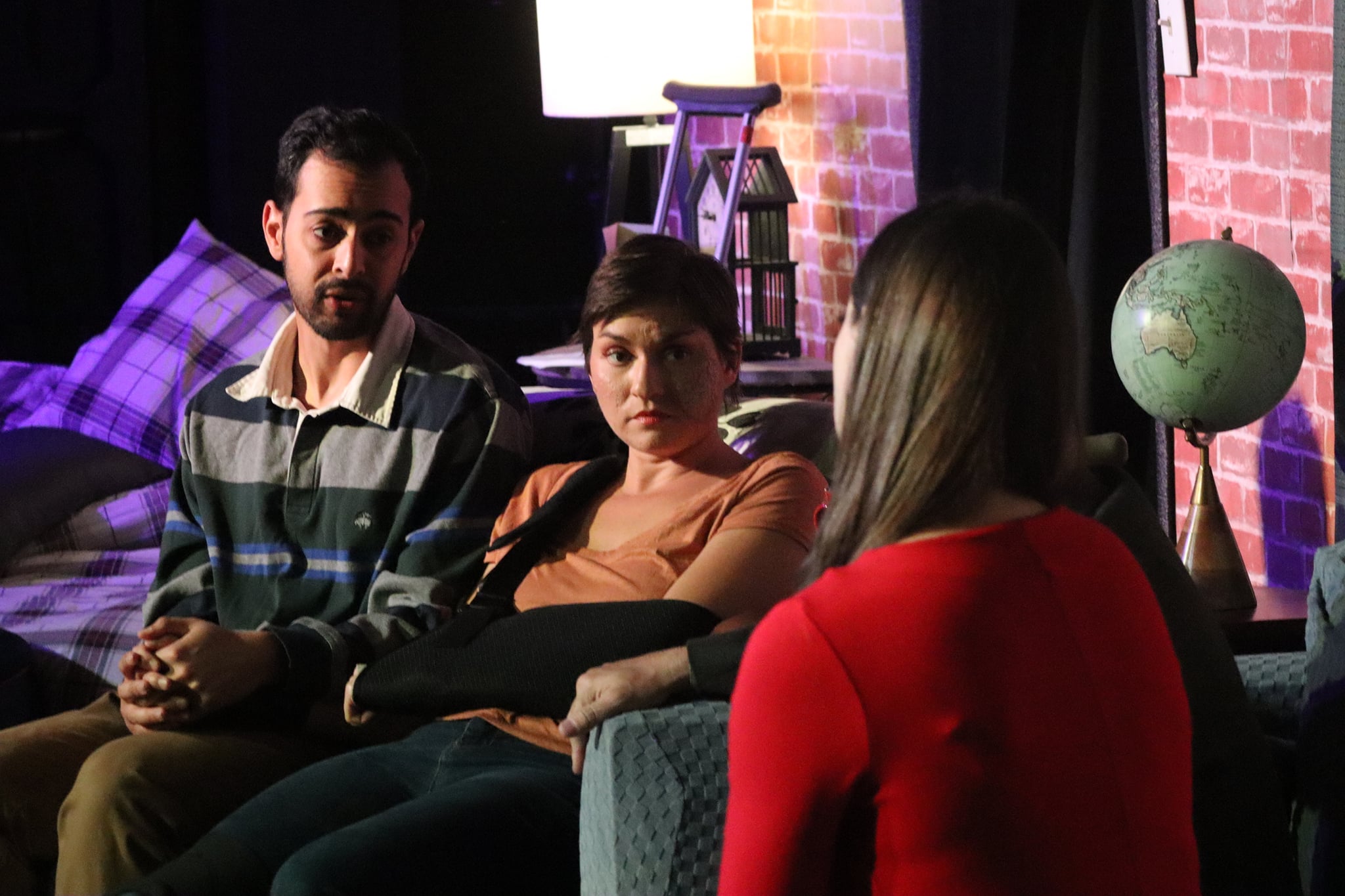
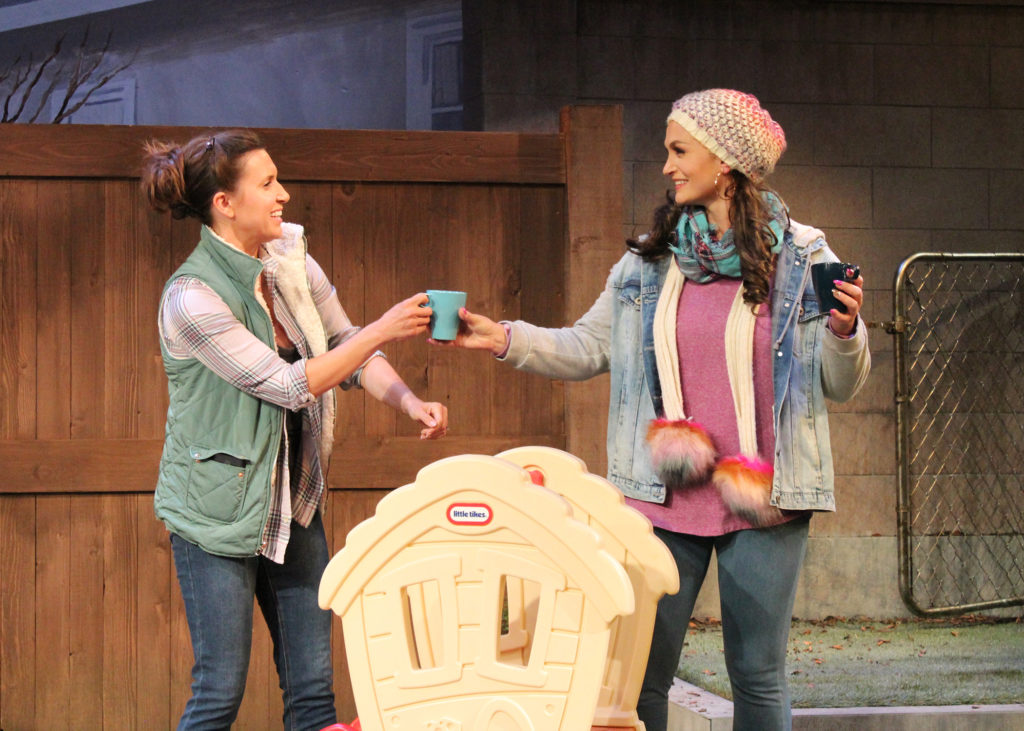
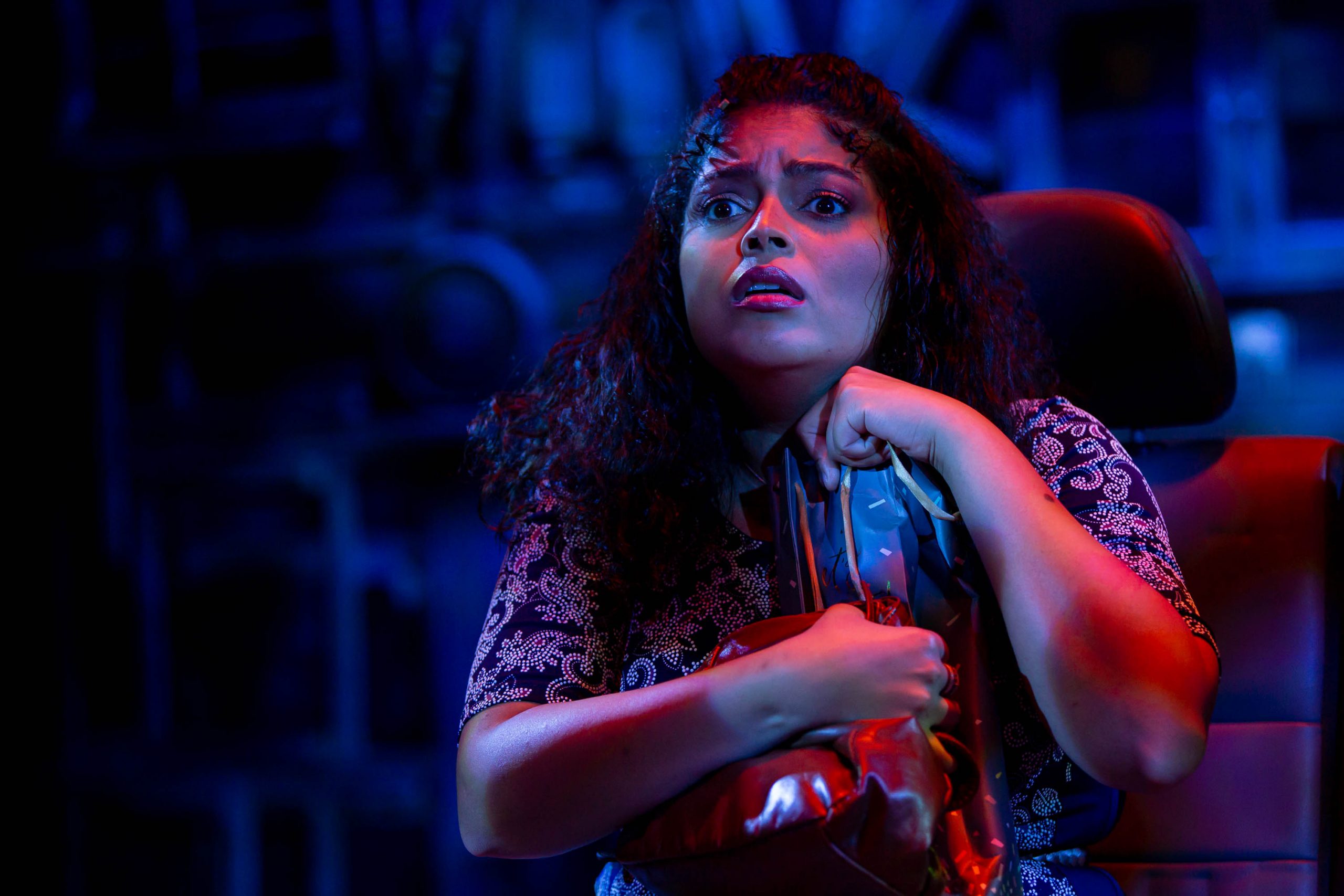
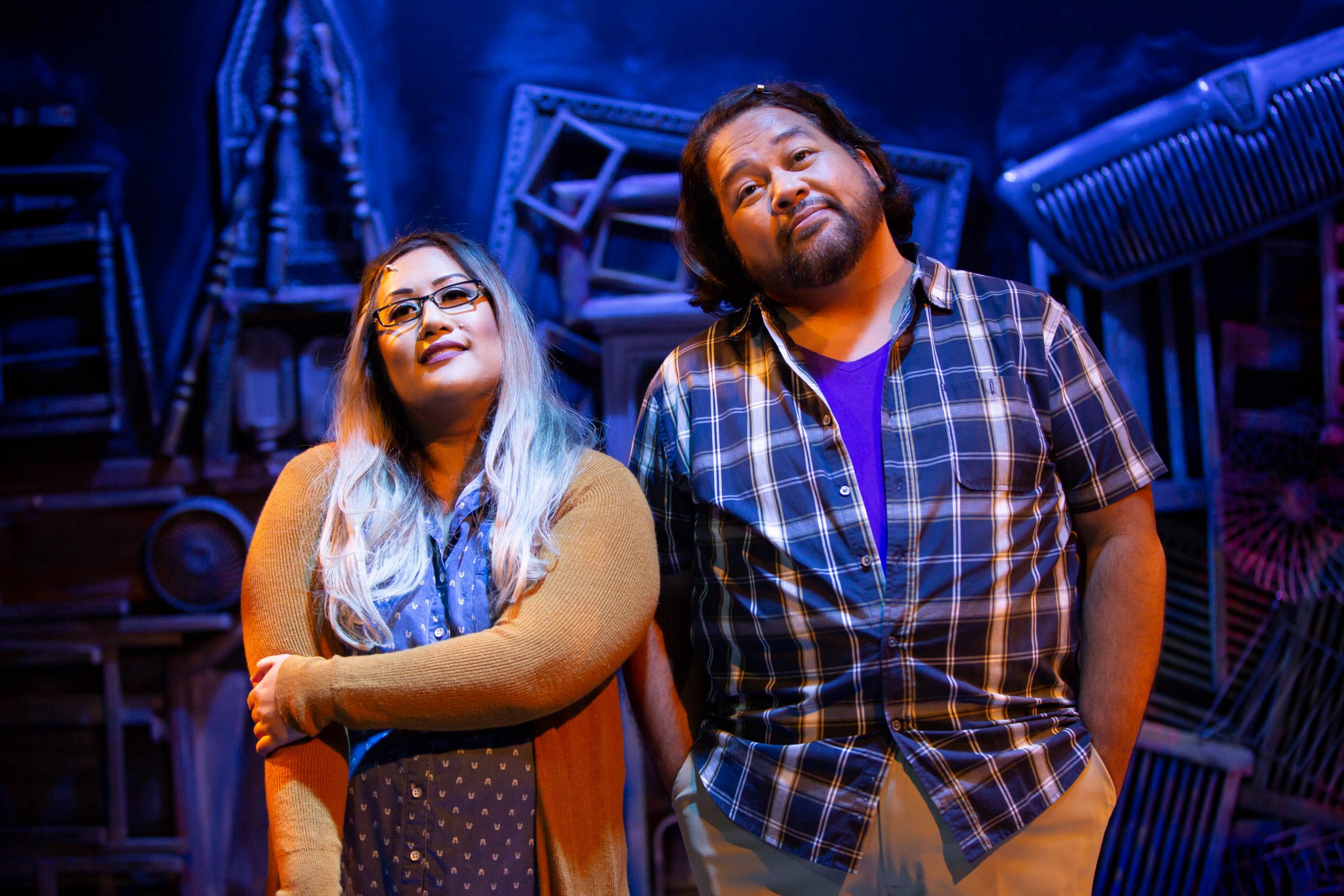
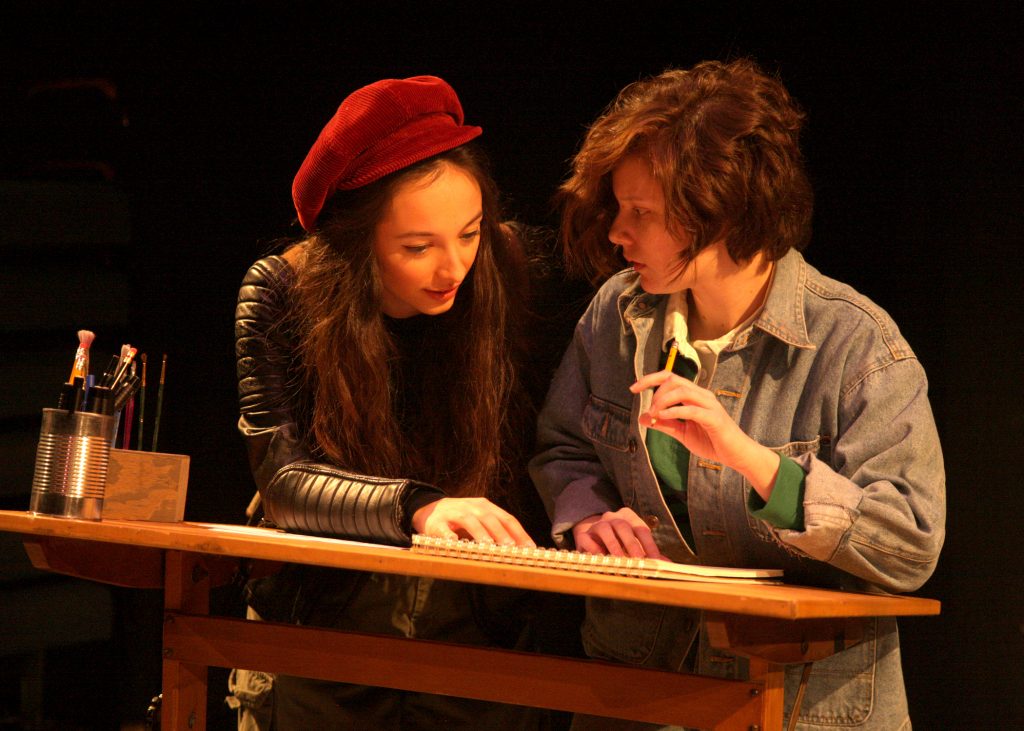
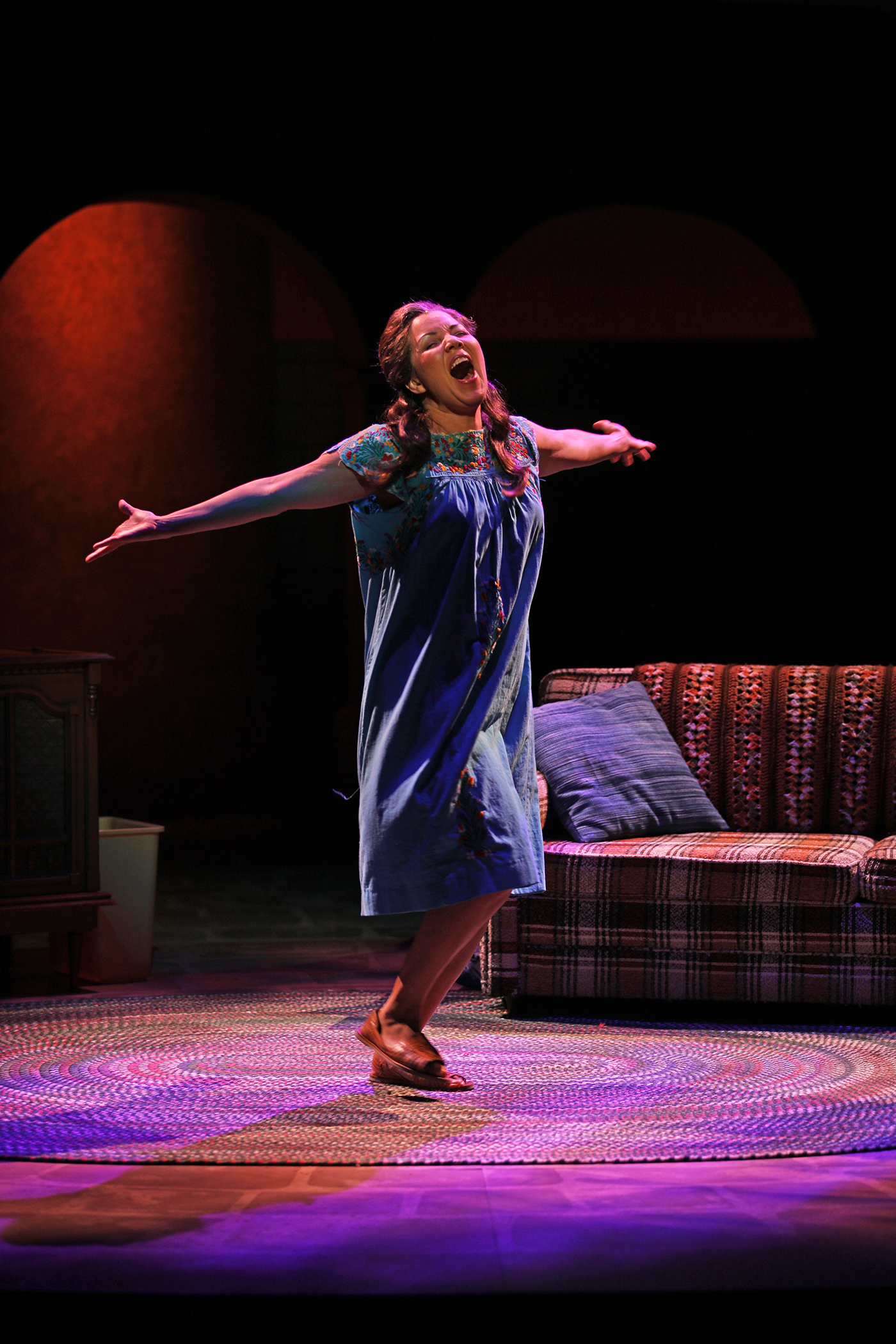
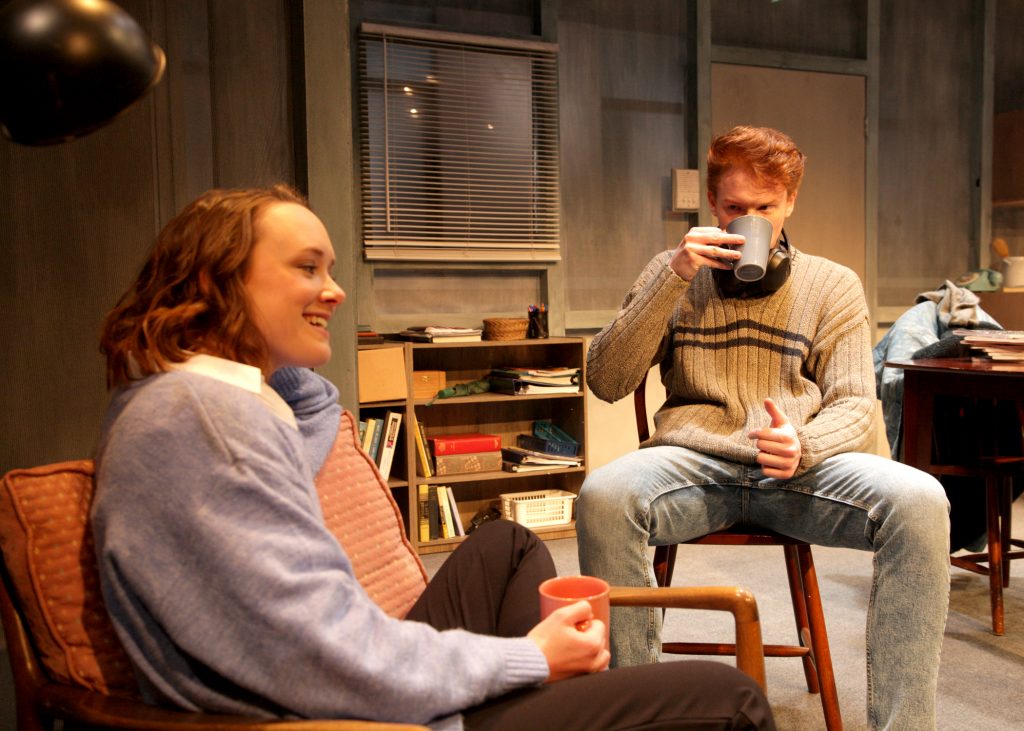
This show has a small but mighty cast of five, all of whom provided strong performances. Mia Josimović, who played Jean, had an excellent range of emotions in her performance that fit her character’s transformation. Yuks Kawasaki took on two prominent roles in the show, playing both Gordon’s wife, Hermia, and his foreign mistress, two very different parts that called for versatility.
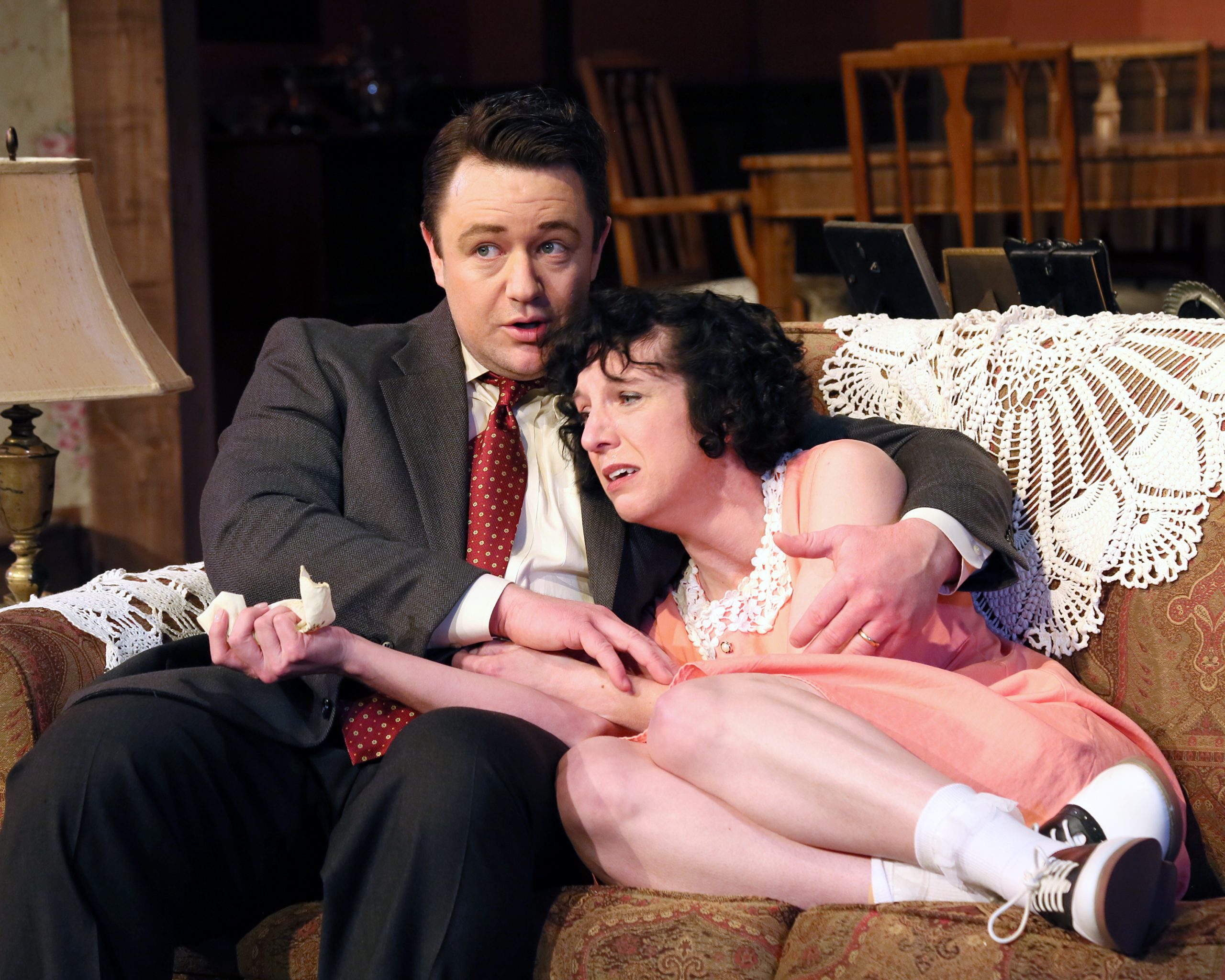
Gordon was played by Eric Parmer, whose mysterious, looming presence makes audiences wonder what he was truly like. Gordon’s brother, Dwight, played by Chris Brennan, was at the heart of the play’s tenderness in part because of Brennan’s vulnerability. Sarah Hoeven plays Gordon’s kooky mother in the most whimsical, bipolar fashion.
Costumes/Set Design:
This play is somewhat of a period piece that takes us back to the 2000s, which is a hard period to pin down fashion-wise unless your character is a pop culture icon. This explains the mostly understated costuming.
The company was able to make a lot of the space work for its storytelling. Their use of projection to help emphasize the environment was practical. The props really added spirit to the stage, especially during the stationary store and umbrella scenes.
During transitions, stagehands were assisted by actors in removing furniture and props. The actors used this time to convey their inner emotions without words, sometimes incorporating interpretive dance. This helped to decipher the complicated relationship each character had with Gordon. These transitions successfully conveyed the unsaid. However, some of the music choices felt misplaced during these moments.
Review
7.8
Overall
0
Users
(0 votes)
Story7Acting9Set & Design7.5Costumes7.5Entertainment8
What people say...
0
Leave your rating
Be the first to leave a rating.


Above Average! Jan 9 – 25,2026.
Be the first to leave a rating.





























WOW!! This was a great production and I loved seeing it with my family LOL It was super funny and…